Method
Why We Build With A CAT D5 And A Dirt Bike
The machine shapes it. The bike judges it.
Plenty of operators can move dirt. Far fewer can tell you how the dirt will feel at 60km/h in third gear. That gap is the whole difference between earthworks and track building.
The dozer does the shaping
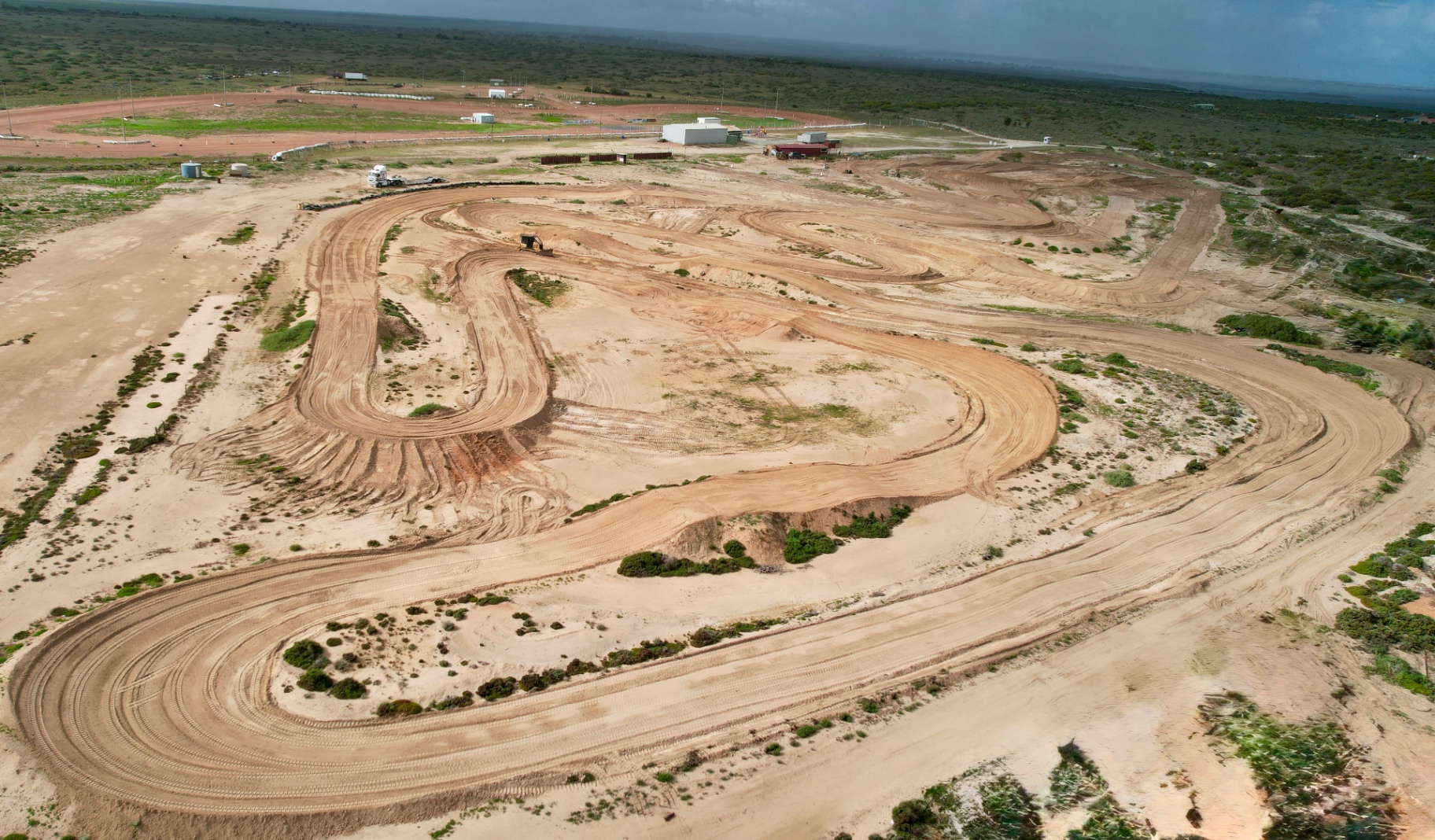
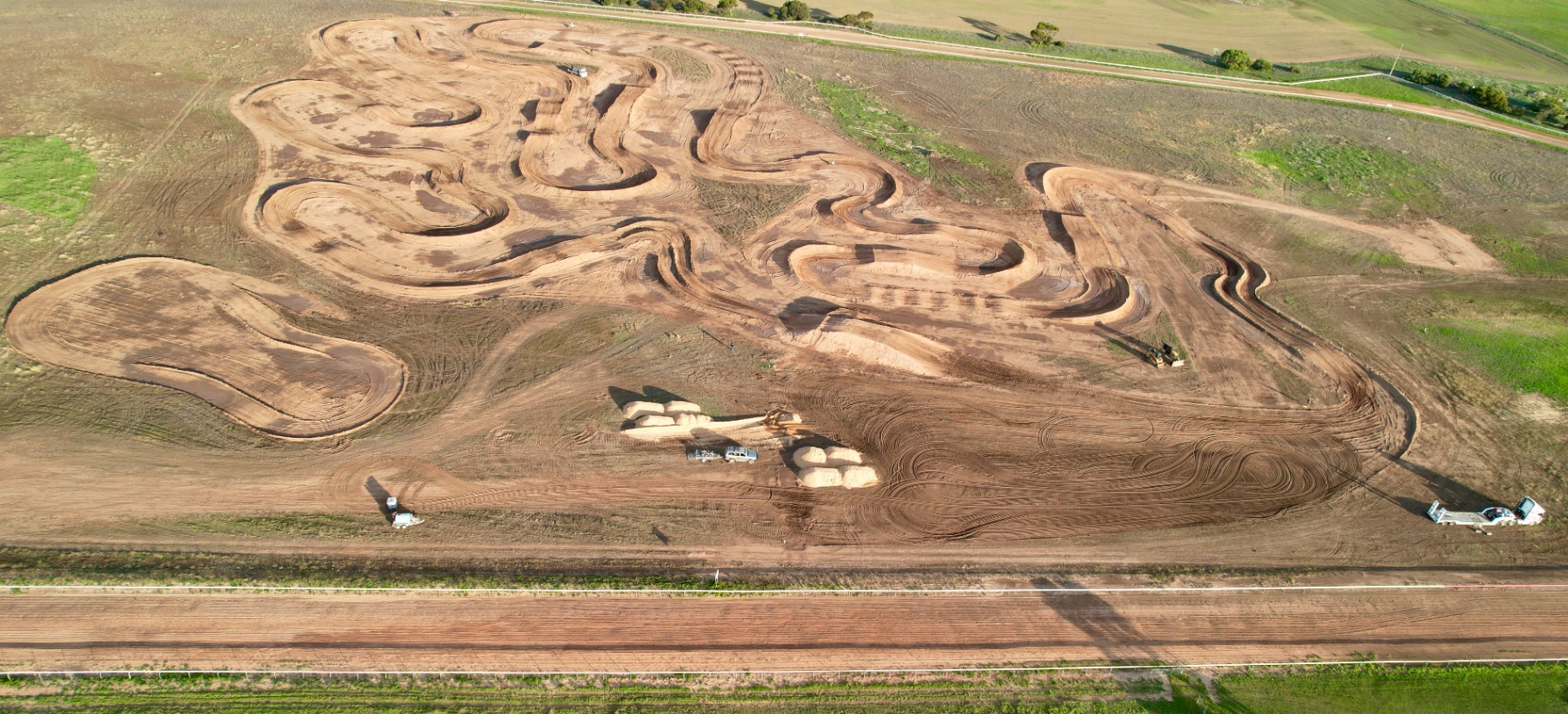
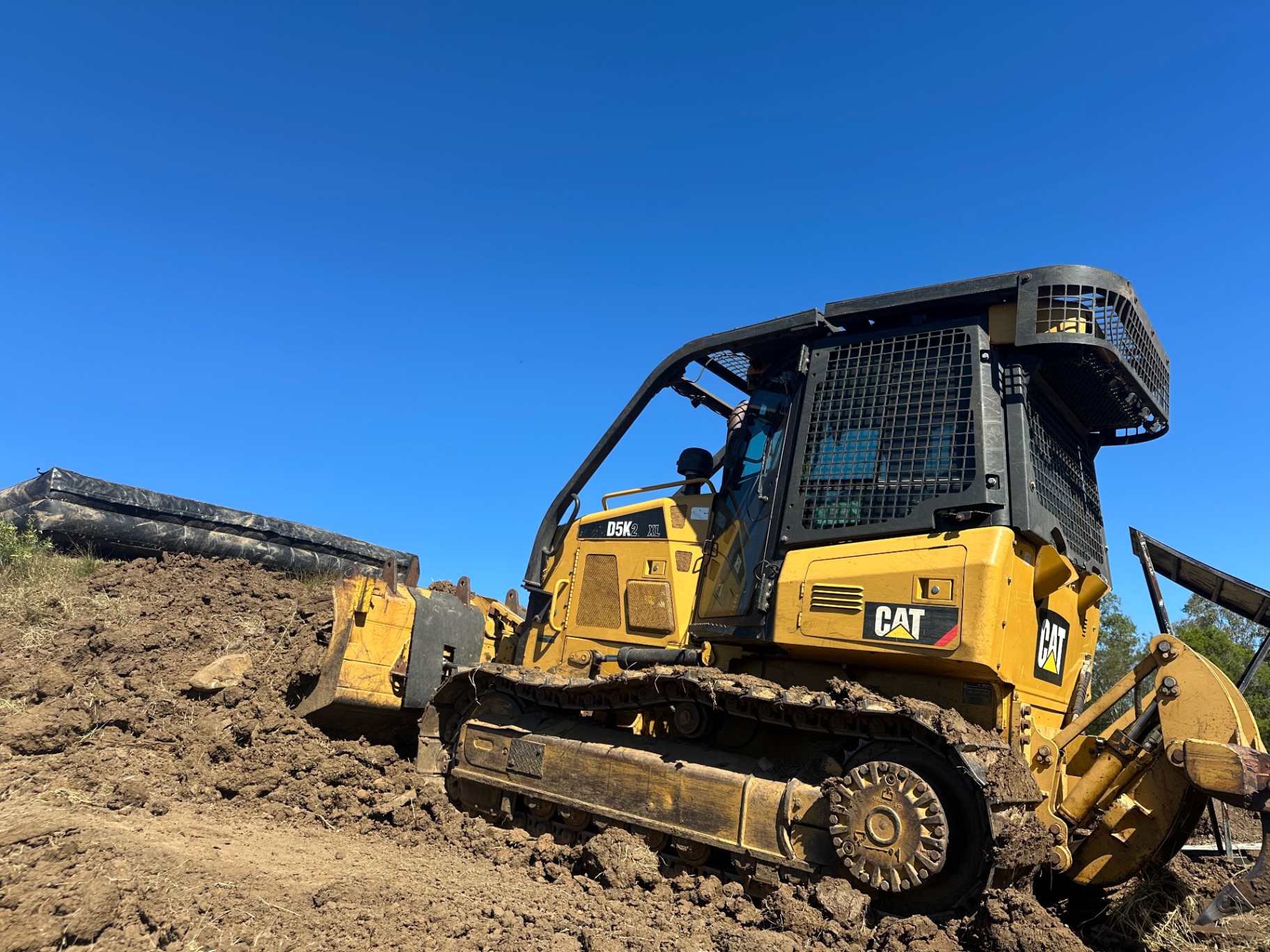
The D5 gives fine blade control with enough weight to cut into a base instead of skating over it. Jump faces, berm profiles and long consistent fall all come off the blade — not off a bucket.
The bike does the judging
A face that measures perfectly can still kick. A landing that looks generous can still stop the bike. We ride every section, then adjust, then ride it again. Nothing gets handed over unridden.
What riding it catches that measuring cannot
- Faces that load the suspension unevenly at speed
- Landings that fall away too late for the average rider
- Corners that only work for one riding style
- Rhythm sections that are fine solo and dangerous in a pack
That loop — shape it, ride it, fix it — is why our tracks read the same to a junior on a 65 and a pro on a 450. See it applied end to end in the Mount Isa club rebuild diary.
Co-Founder & Lead Operator
Adam Thurrowgood
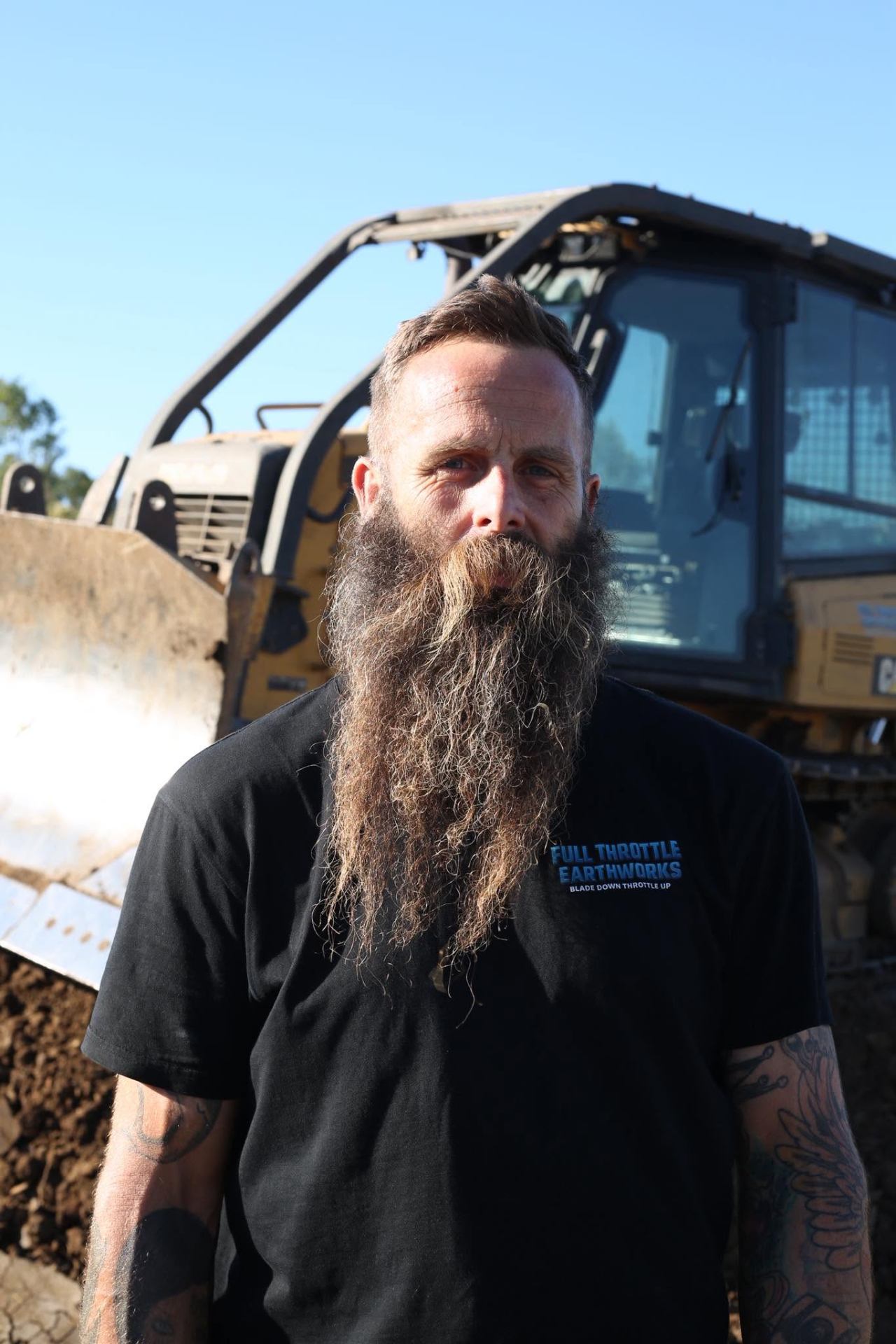
Adam has spent 25+ years behind the controls and the handlebars. He designs every Full Throttle Earthworks track himself, from the rider's seat as much as the operator's — around the land, the bikes and the people riding them.
No templates and no copy-paste layouts. If a section doesn't feel right on the bike, it doesn't stay in the ground.
He writes about track building, flow, terrain and what actually changes when you ride what you build.