Build diary · Outback Queensland
Mount Isa Motocross Club Track Rebuild
The Full Throttle Treatment Hits Outback Queensland
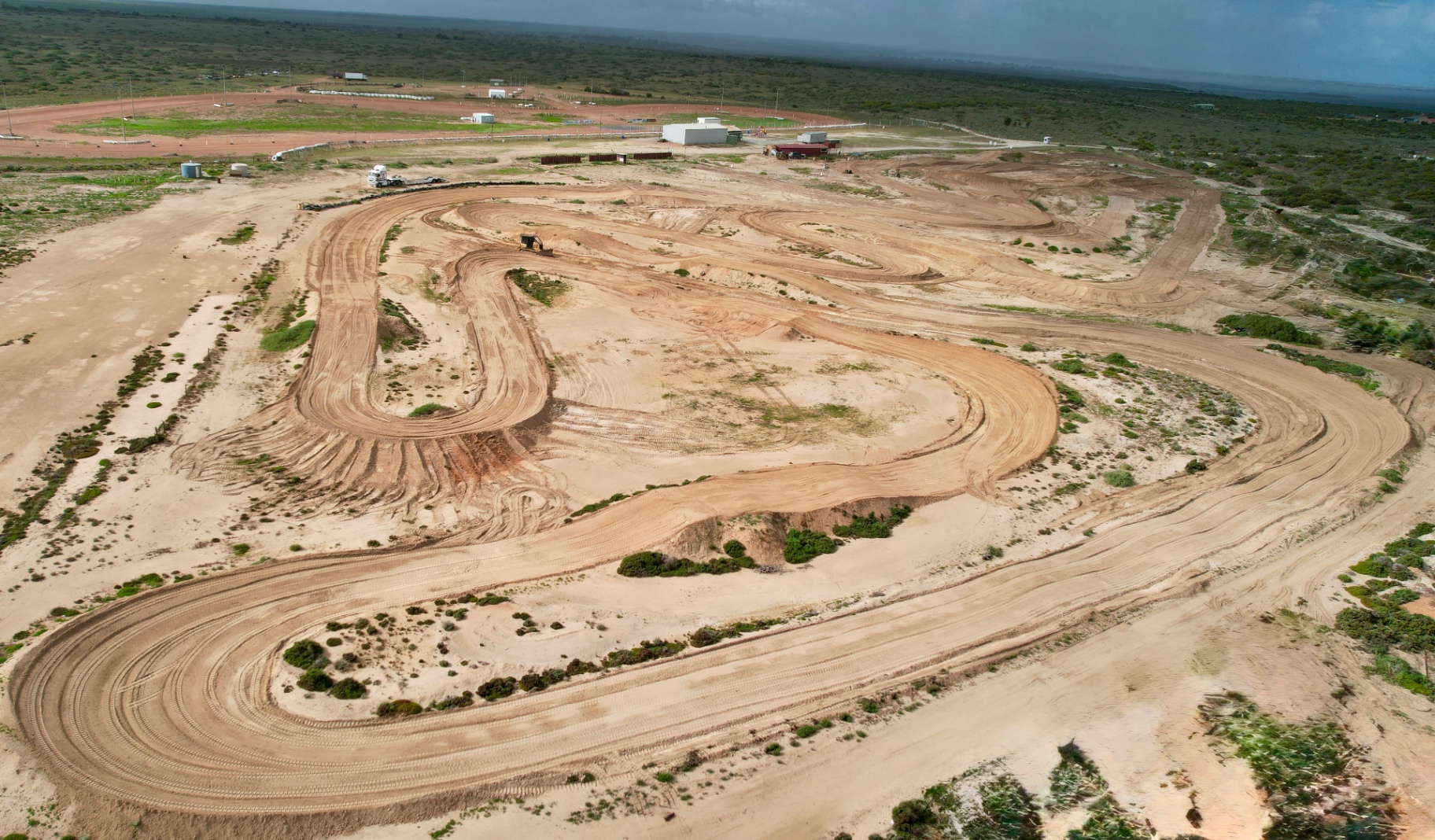
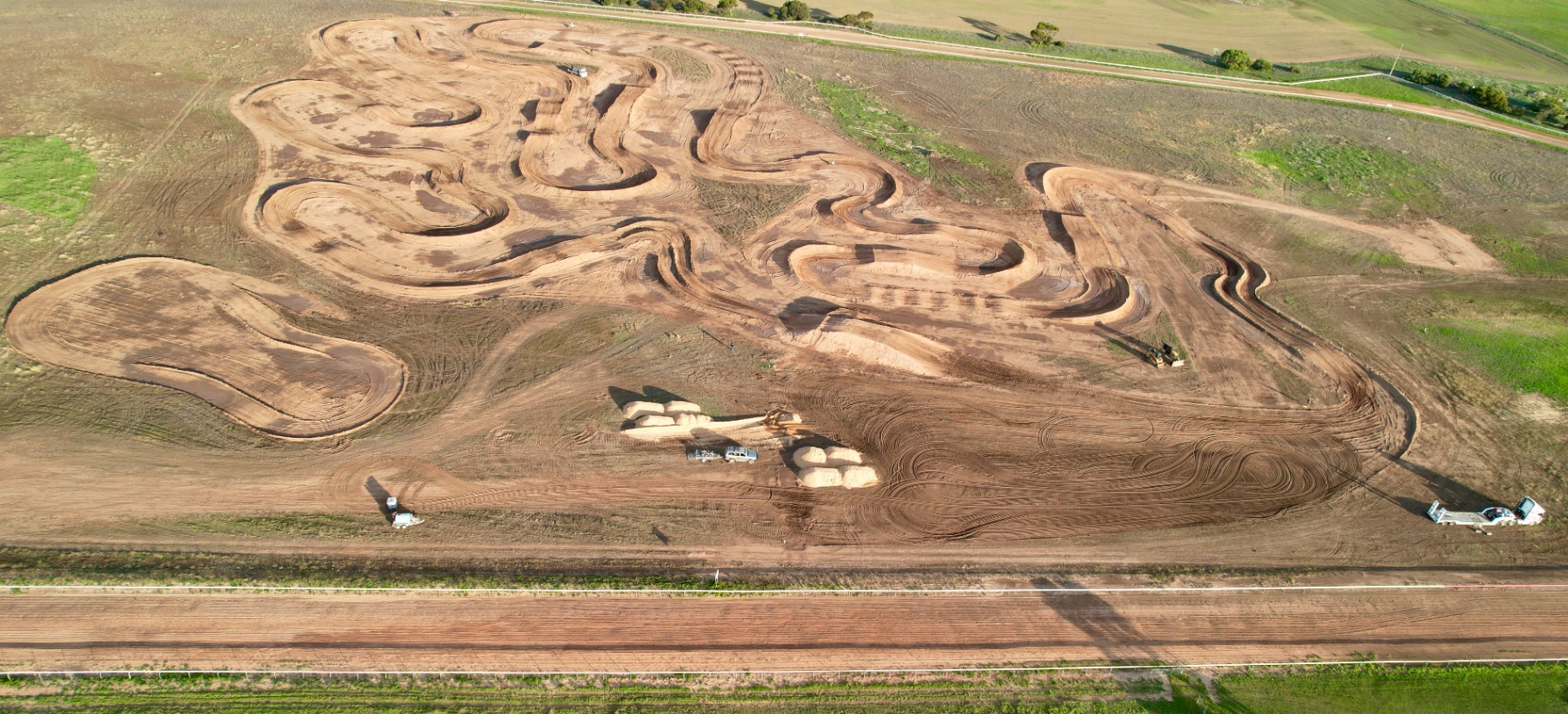
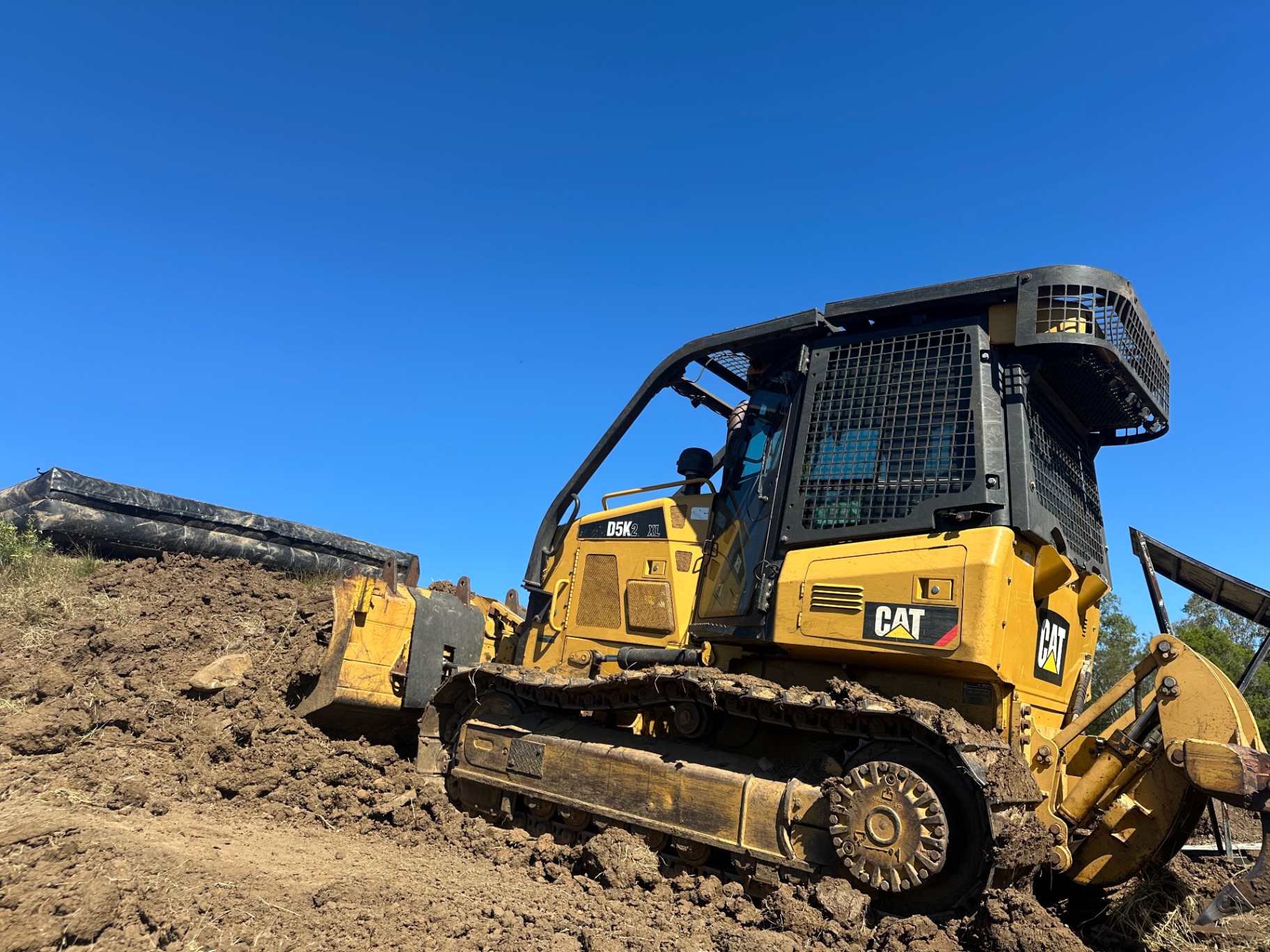
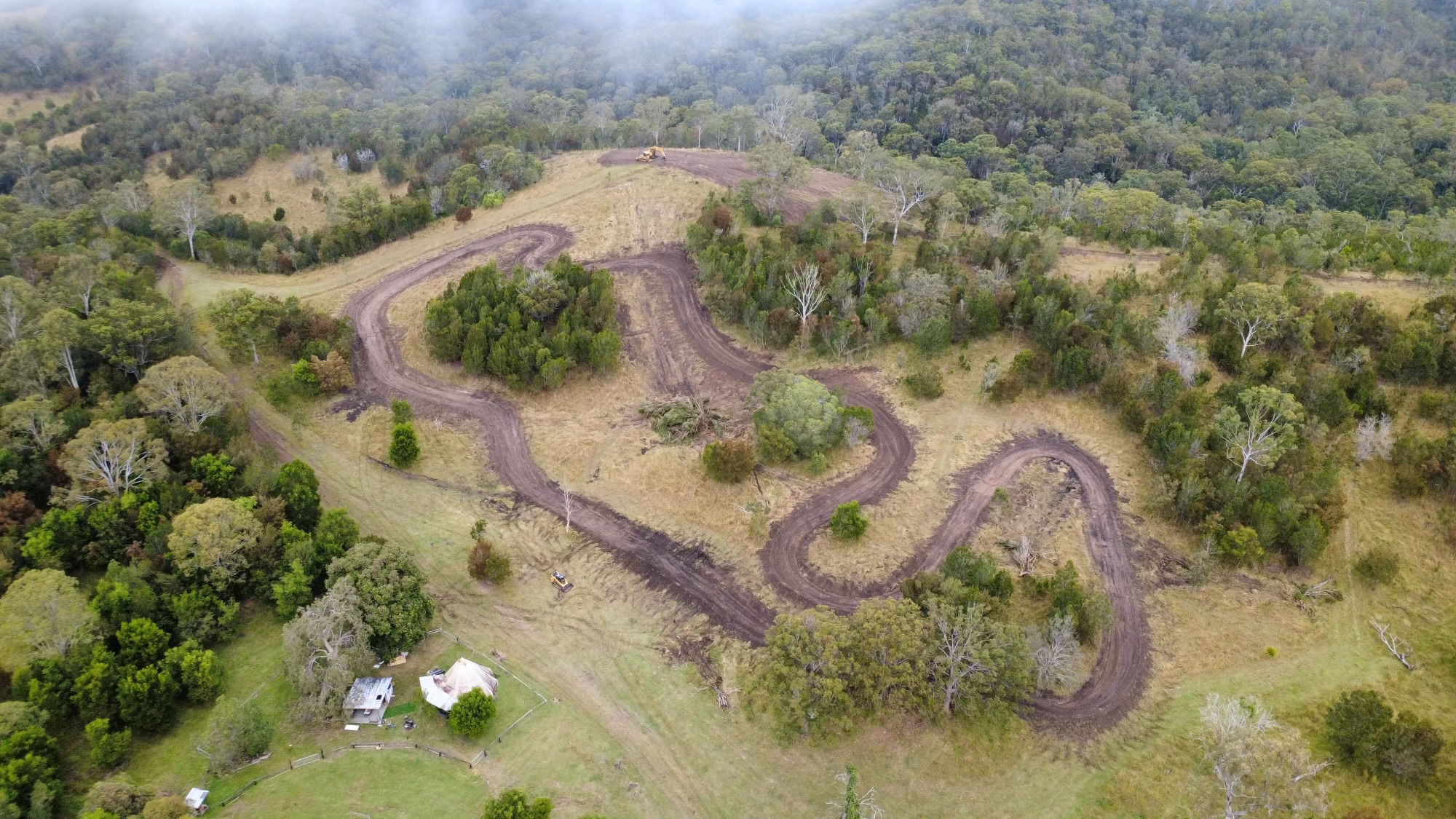
Mount Isa is 1,800 kilometres from most things and about ten minutes from some of the best riding country in Queensland. The club has a circuit with real history, a committee that does the work themselves, and a surface that had been fighting them for years: hard-packed mineral ground that goes slick on top, blows out on the exits, and turns every corner into a compromise. We brought the machinery north to fix the track at the base, not the surface.
What the club asked for
The brief was simple in words and hard in dirt. Keep the character of the circuit riders grew up on. Make it safer for juniors without making it boring for the fast group. And leave the committee a track two volunteers with a tractor can maintain between race meetings.
- Rebuild the main straight jump line with consistent faces and forgiving landings
- Recut every corner for radius, camber and a defined exit line
- Fix the two low points that hold water and destroy the surface after rain
- Rebuild the junior section so a seven-year-old can ride it flat out and stay safe
- Rip and re-blend the top 200mm so the surface holds moisture instead of shedding it
The build, day by day
Day one — walk it, ride it, mark it
Nothing gets moved on day one. We walk the whole circuit with the committee, then ride it. You cannot design a track from a photo or a drone shot alone — you have to feel where speed dies, where the bike gets loose, and where riders are already cutting a line the track never gave them. Every one of those spots gets pegged. By dark we had 31 markers and a build order.
Day two — strip and read the base
The blade came down and the story showed up straight away: 60 to 90mm of loose, over-worked material sitting on a slick mineral pan. That is exactly why the surface kept blowing out. We stripped the tired material off the racing line, opened the pan up with rippers, and started reading how the ground behaved when it was cut instead of scraped.
Day three — corners first
Corners come before jumps, always. A jump is only as good as the corner feeding it. We recut the sweeper before the main straight to a wider radius with real camber, and shifted the exit around three metres to give riders somewhere to drive off instead of standing the bike up. Two more corners got the same treatment before knock-off.
Day four — the main straight jump line
This is the section the club is known for and the section riders complained about most: inconsistent faces that punished commitment. We rebuilt three obstacles with matched face angles, longer tables, and landings that fall away instead of stopping the bike dead. Same rhythm, far lower consequence.
Day five — water and drainage
Outback rain arrives all at once. We regraded both low points to a controlled fall, cut a shallow diversion behind the back straight so run-off leaves the circuit instead of crossing it, and crowned the flat sections a touch so water walks off the racing line. Drainage is invisible work that decides whether a track survives its first wet season.
Day six — the junior track
Junior sections should be small versions of good tracks, not flat paddocks with cones. We rebuilt the loop with real berms at junior height, two rollers a 50cc can carry speed over, and sight lines a parent can watch the whole lap from.
Day seven — ride, adjust, hand over
The last day is spent on the bike. We rode every group's line, made a dozen small adjustments — a berm lifted here, an exit softened there — then walked the committee through a maintenance plan built around the machinery they actually own.
What Mount Isa taught us about hard ground
Hard mineral country does not forgive shortcuts. If you only work the top, the track is fast for a weekend and wrecked by the next. Cut into the base, blend the material, and give the water somewhere to go, and the same ground that ate tracks starts holding shape for months.
We do not build tracks that look good in photos. We build tracks that are still good on the fifth lap of the tenth meeting.
Riding the outback again
Mount Isa is the sort of club that keeps motocross alive in this country — volunteers, families, and a canteen that runs on goodwill. Getting the dozer that far north is a logistics exercise. Watching the junior group session a track built for them makes it worth every kilometre.
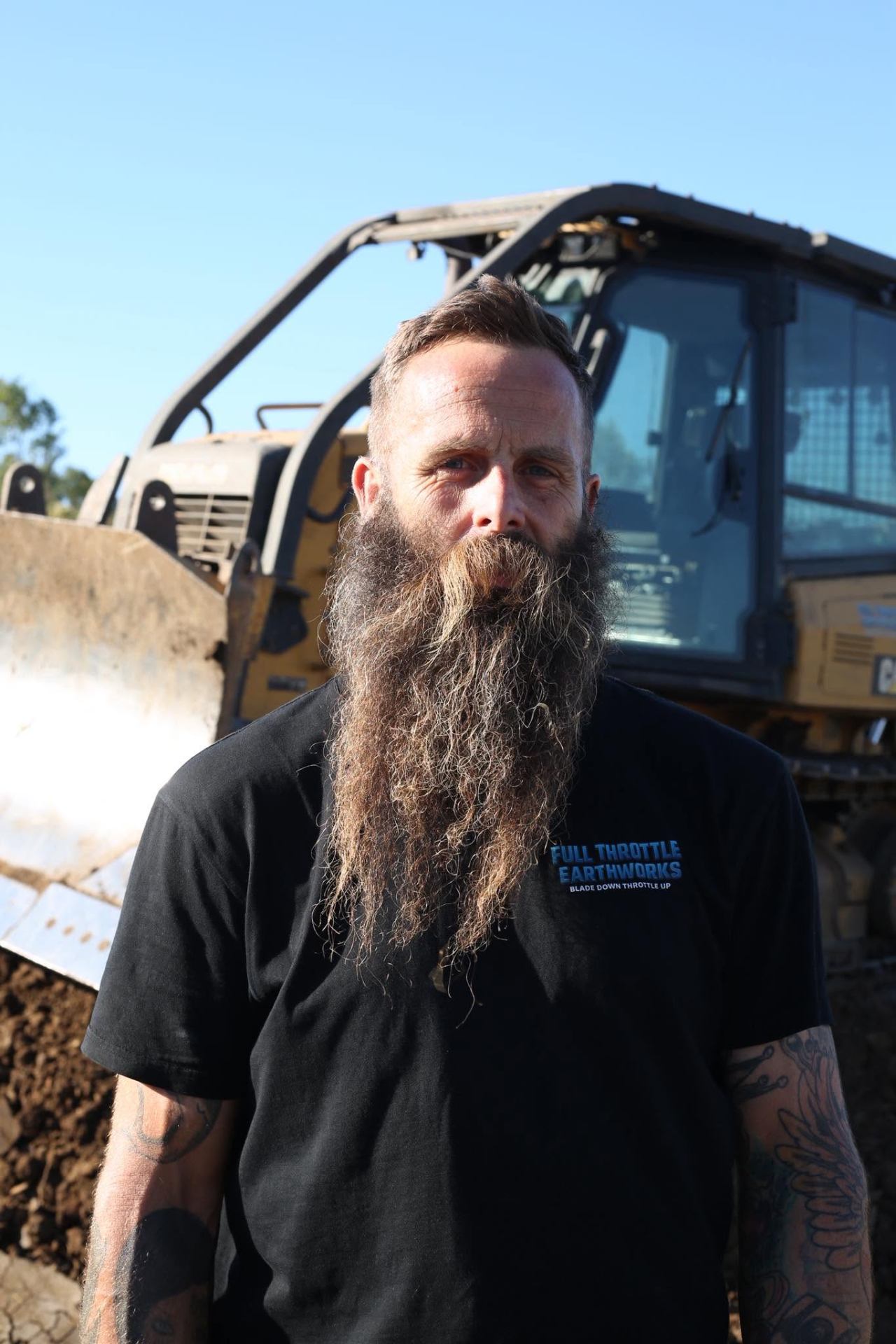
Co-Founder & Lead Operator
Adam Thurrowgood
Adam has spent 25+ years behind the controls and the handlebars. He designs every Full Throttle Earthworks track himself, from the rider's seat as much as the operator's — around the land, the bikes and the people riding them.
No templates and no copy-paste layouts. If a section doesn't feel right on the bike, it doesn't stay in the ground.
He writes about track building, flow, terrain and what actually changes when you ride what you build.