Design
How To Design A Motocross Corner That Flows
Radius, camber and exit angle decide whether a corner gives speed back
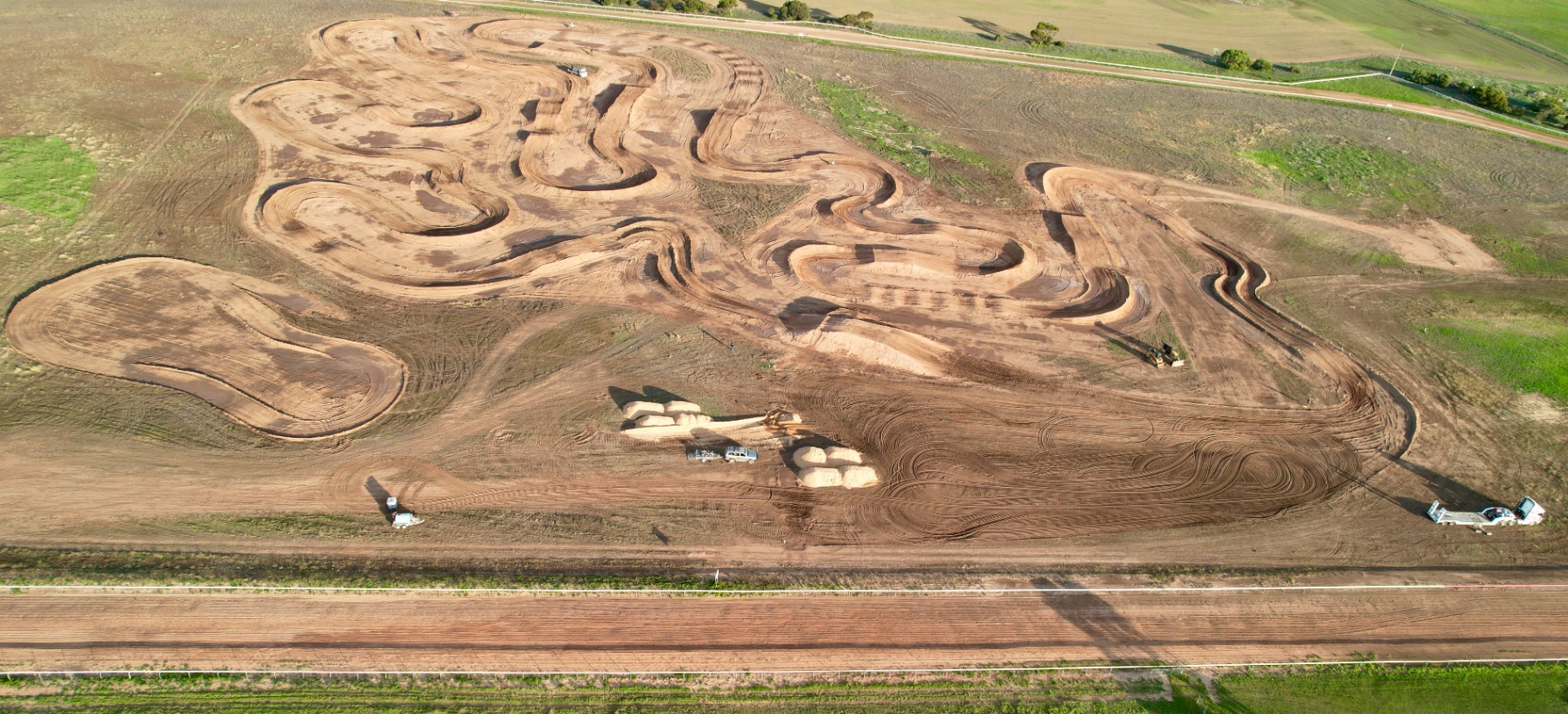
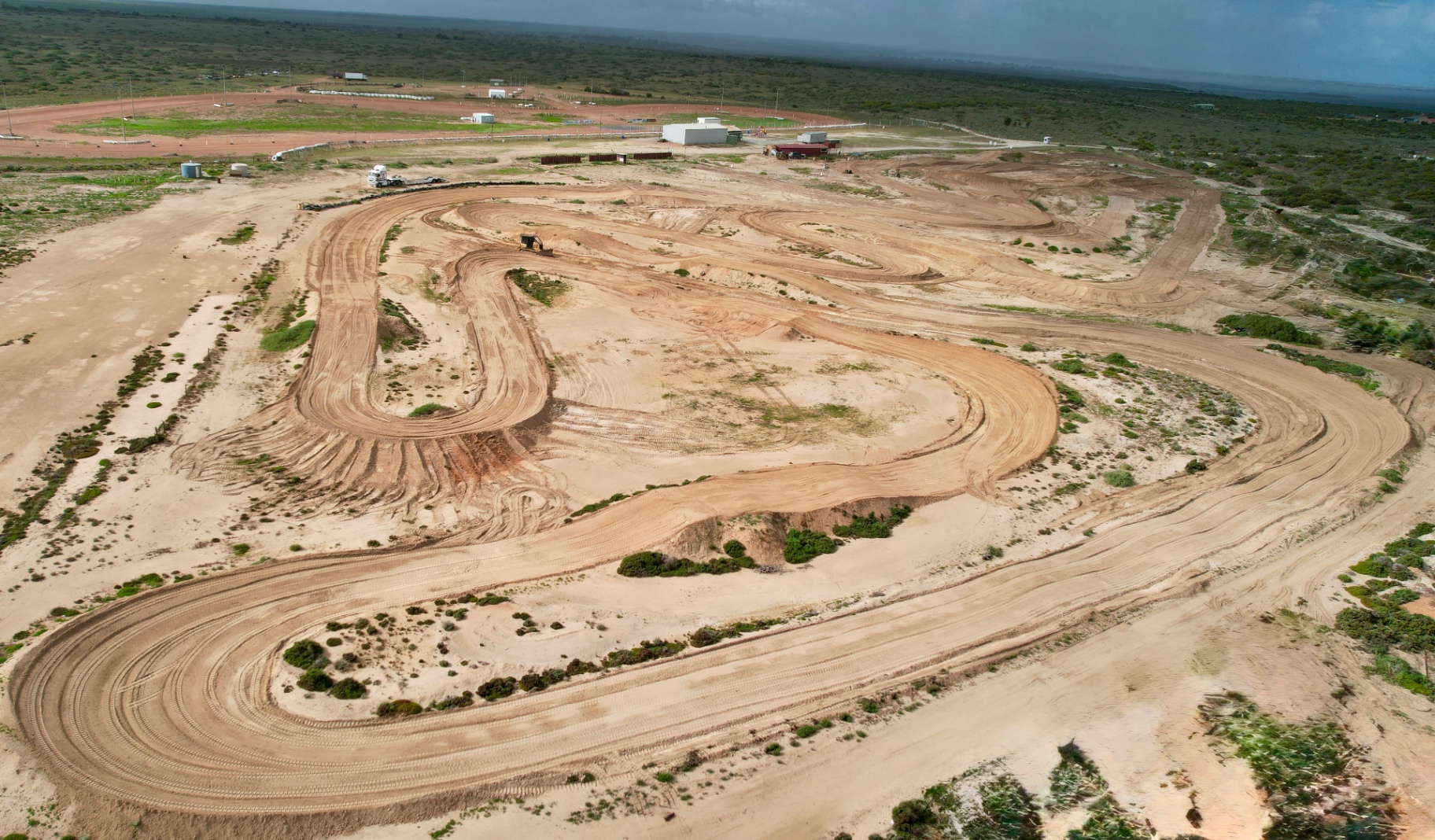
Riders remember jumps and talk about corners. A track with great corners feels fast even when the lap times are ordinary, because every corner hands speed back instead of taking it. Three things control that: radius, camber and exit angle.
Radius: pick a speed, then build for it
A corner should be designed around the speed riders arrive with, not the space you happen to have. Tight radius corners belong after a slow section. Long sweepers belong where the bike is already loaded. Mixing them up is why a corner feels wrong before anyone can explain why.
Berm height follows radius
The tighter the radius, the taller and steeper the berm needs to be to support the bike. A tall berm on a wide sweeper just gets ignored and blows out at the base.
Camber: support, do not trap
Camber gives the tyre something to push against. Too flat and the front tucks. Too steep and only one line works, which destroys that line by the third moto. We build camber that supports two or three usable lines so wear spreads out.
Exit angle: where the speed comes from
The exit is the whole point. A corner that finishes pointing at the next obstacle lets riders drive off the berm. A corner that finishes pointing at nothing forces them to stand the bike up and start again. When we recut a corner on a rebuild, moving the exit is often the single biggest change.
Then build the surface to last
- Cut into the base, do not just push loose material into shape
- Blend material types so the corner holds moisture evenly
- Compact in layers — a berm built in one pass is a berm that fails in one moto
- Leave a maintenance line the club can rip and reshape without a machine operator
Get those four right and a corner keeps working long after the build crew has left. That is the standard we hold on every project, from private property tracks to full club rebuilds.
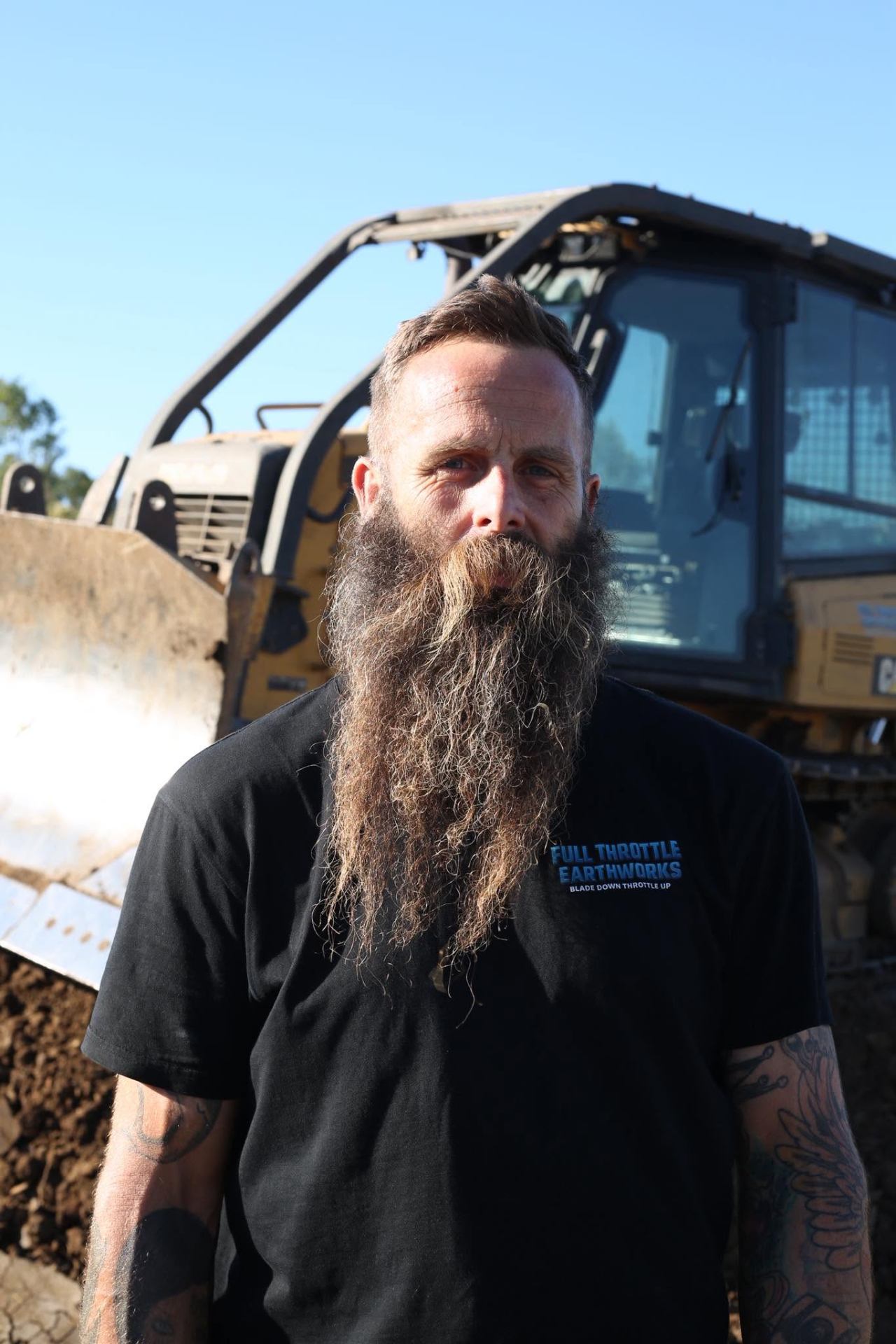
Co-Founder & Lead Operator
Adam Thurrowgood
Adam has spent 25+ years behind the controls and the handlebars. He designs every Full Throttle Earthworks track himself, from the rider's seat as much as the operator's — around the land, the bikes and the people riding them.
No templates and no copy-paste layouts. If a section doesn't feel right on the bike, it doesn't stay in the ground.
He writes about track building, flow, terrain and what actually changes when you ride what you build.