On the road
Taking A Dozer To The Outback
What it takes to build motocross tracks a thousand kilometres from the coast
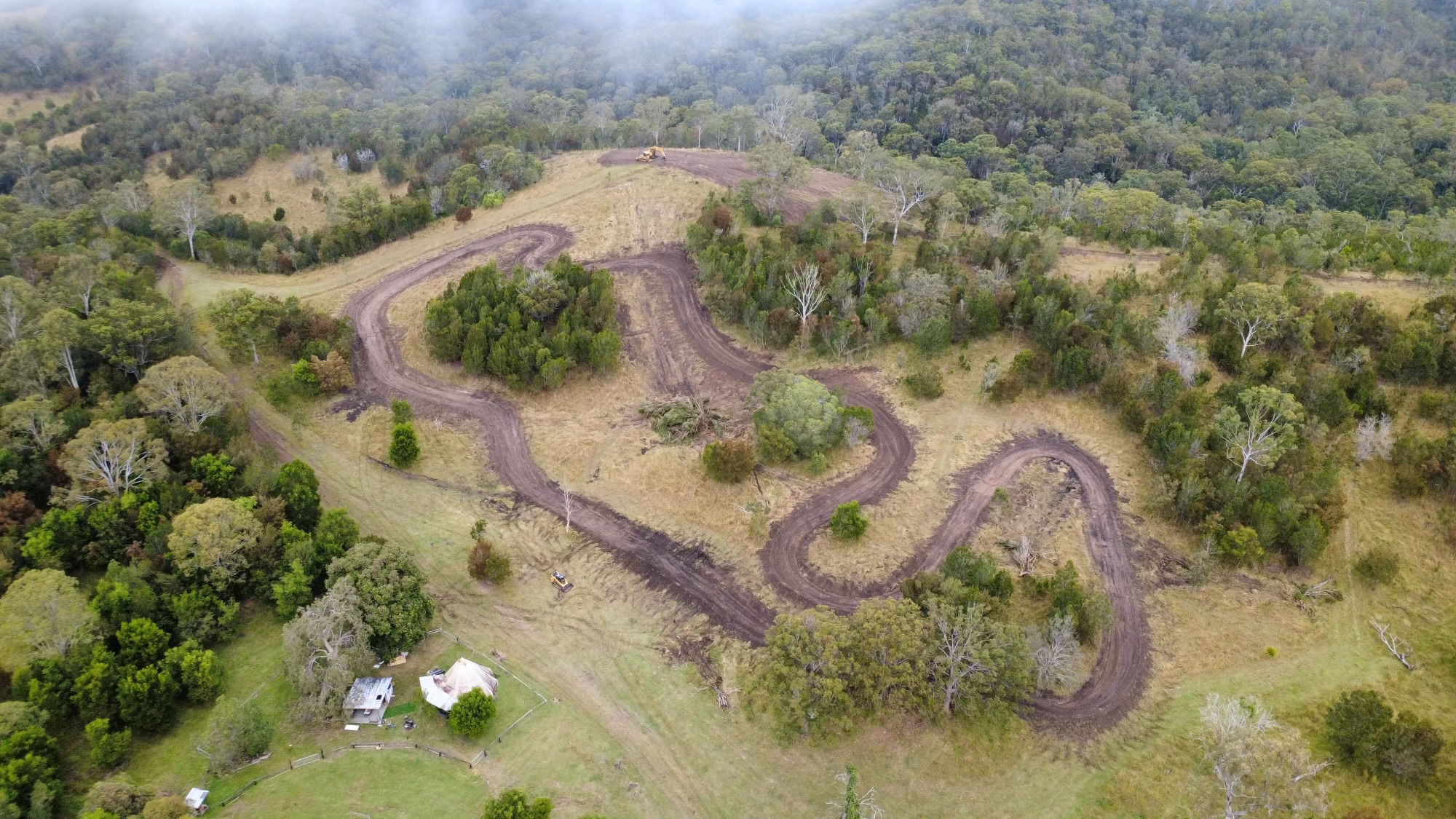
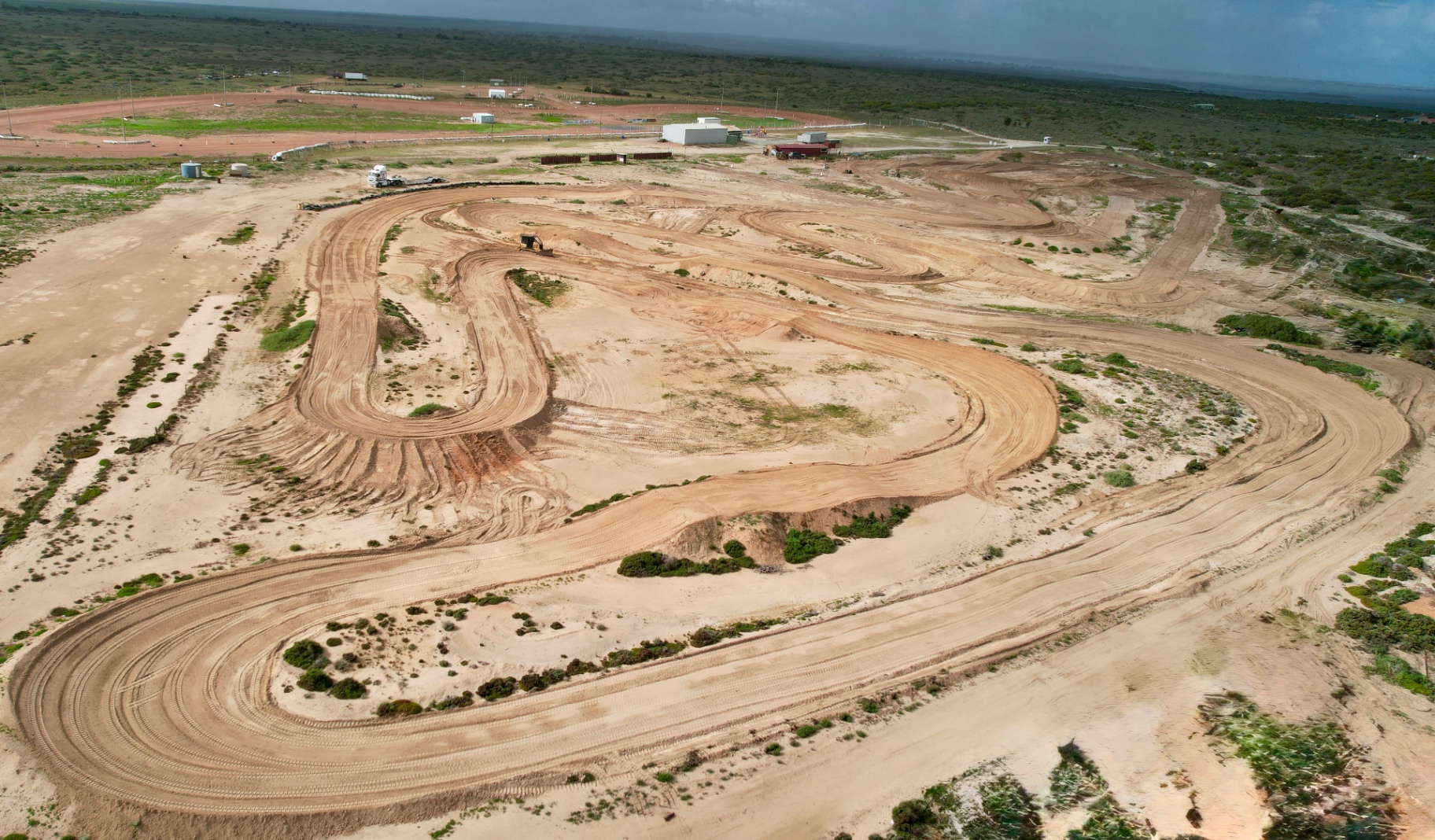
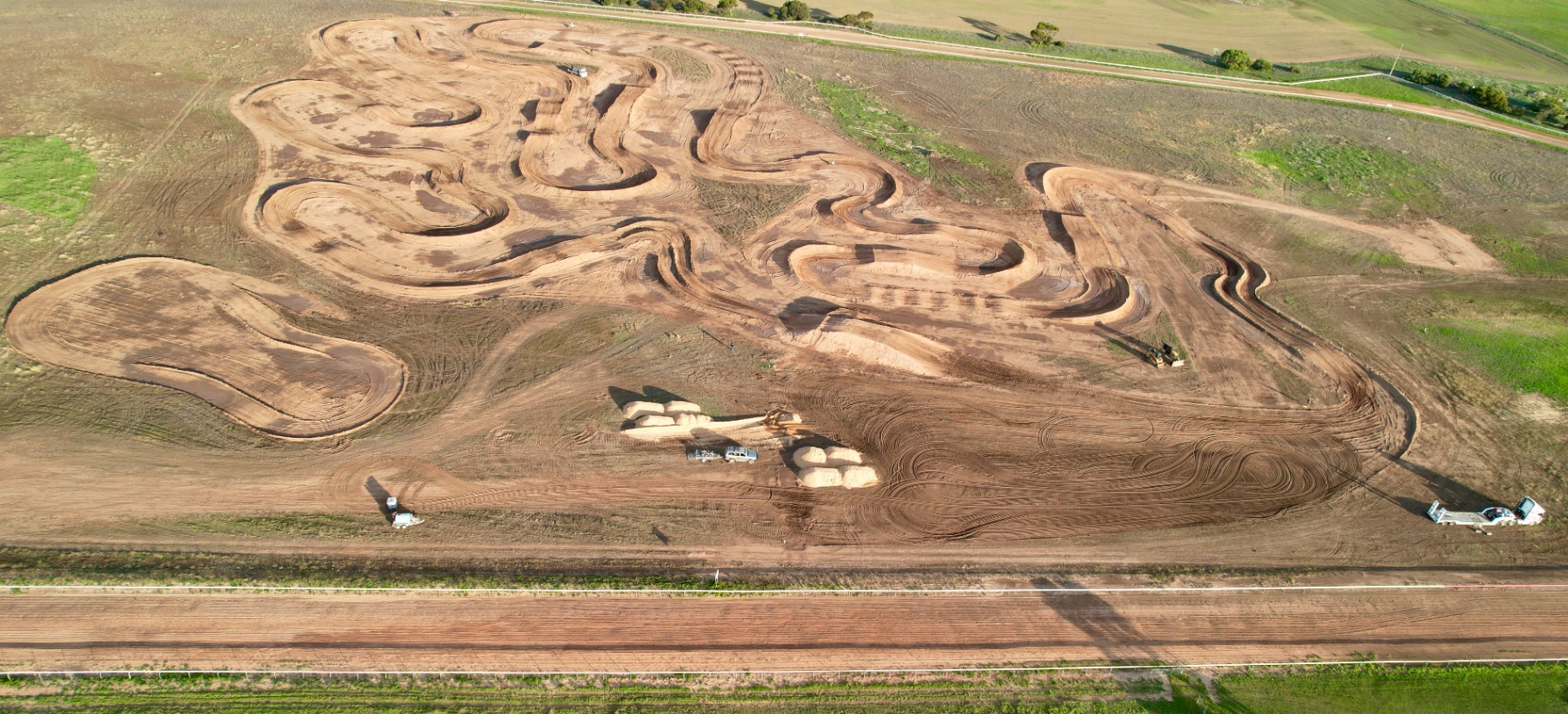
The tracks that need the most work are usually the furthest from anyone who can do it. Freight, fuel, machinery hours and a committee of volunteers with day jobs — that is the real reason a remote circuit stays broken for a decade.
Plan the trip like a race weekend
We batch regional work so machinery moves once and covers several clubs and private properties in the same run. Clubs on the run pay a lot less travel than they would on their own.
Read the ground before you leave
- Soil type and how it behaves wet and bone dry
- Water — where it arrives, where it sits, where it can go
- Access for a low-loader and a place to park machinery safely
- Local material available on site, so we are not trucking dirt across a state
Leave a track the club can keep
Remote clubs cannot call anyone back in a hurry. Every build finishes with a maintenance plan matched to the gear on site. Read the Mount Isa rebuild diary for how that plays out over a full week of work.
If your club or property is a long way from anywhere, that is not a problem — it is the reason to get on the tour list.
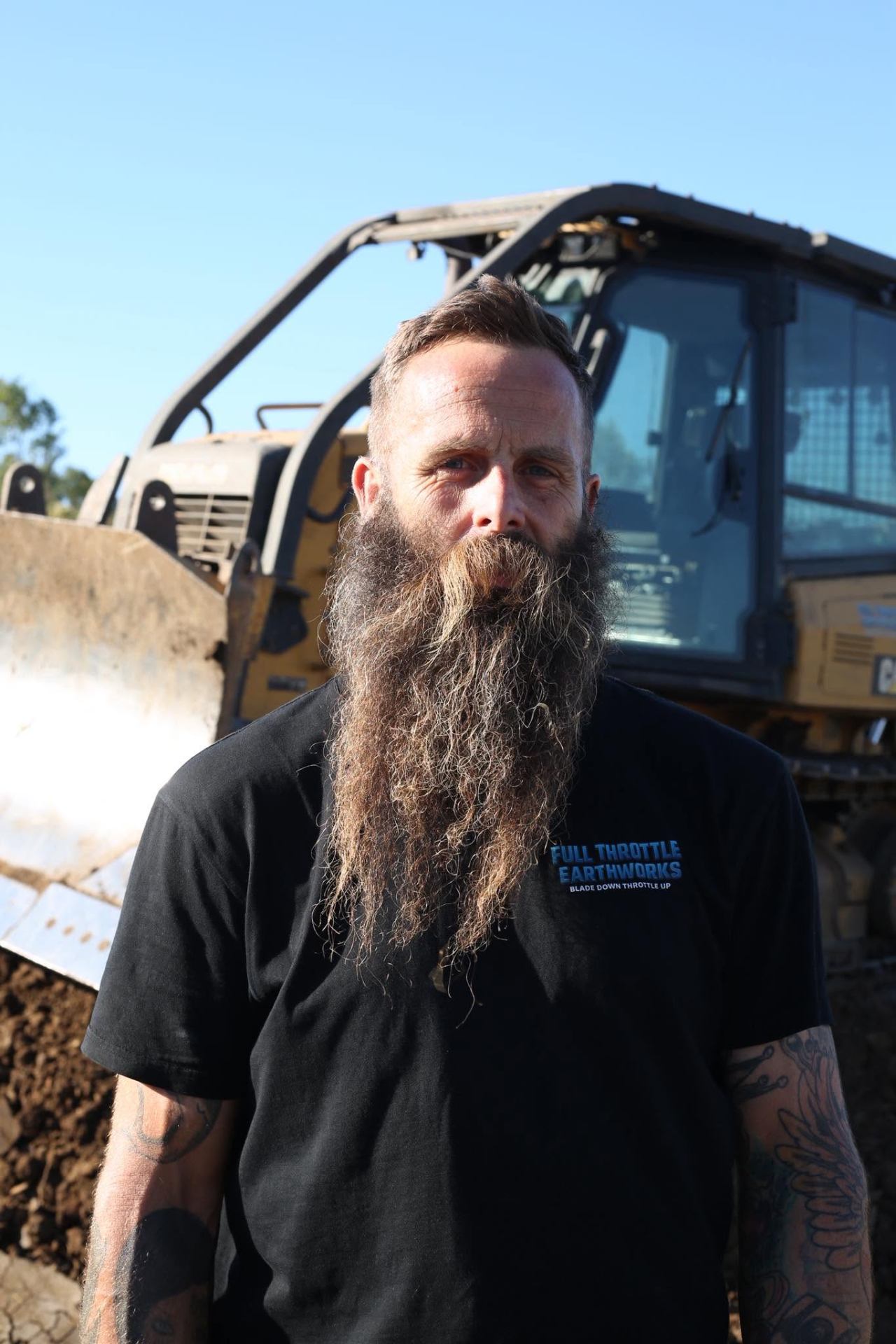
Co-Founder & Lead Operator
Adam Thurrowgood
Adam has spent 25+ years behind the controls and the handlebars. He designs every Full Throttle Earthworks track himself, from the rider's seat as much as the operator's — around the land, the bikes and the people riding them.
No templates and no copy-paste layouts. If a section doesn't feel right on the bike, it doesn't stay in the ground.
He writes about track building, flow, terrain and what actually changes when you ride what you build.