SxS & UTV
SxS And UTV Tracks: Four Wheels Change The Whole Layout
Wider lines, more weight, and nothing leaning into the corner
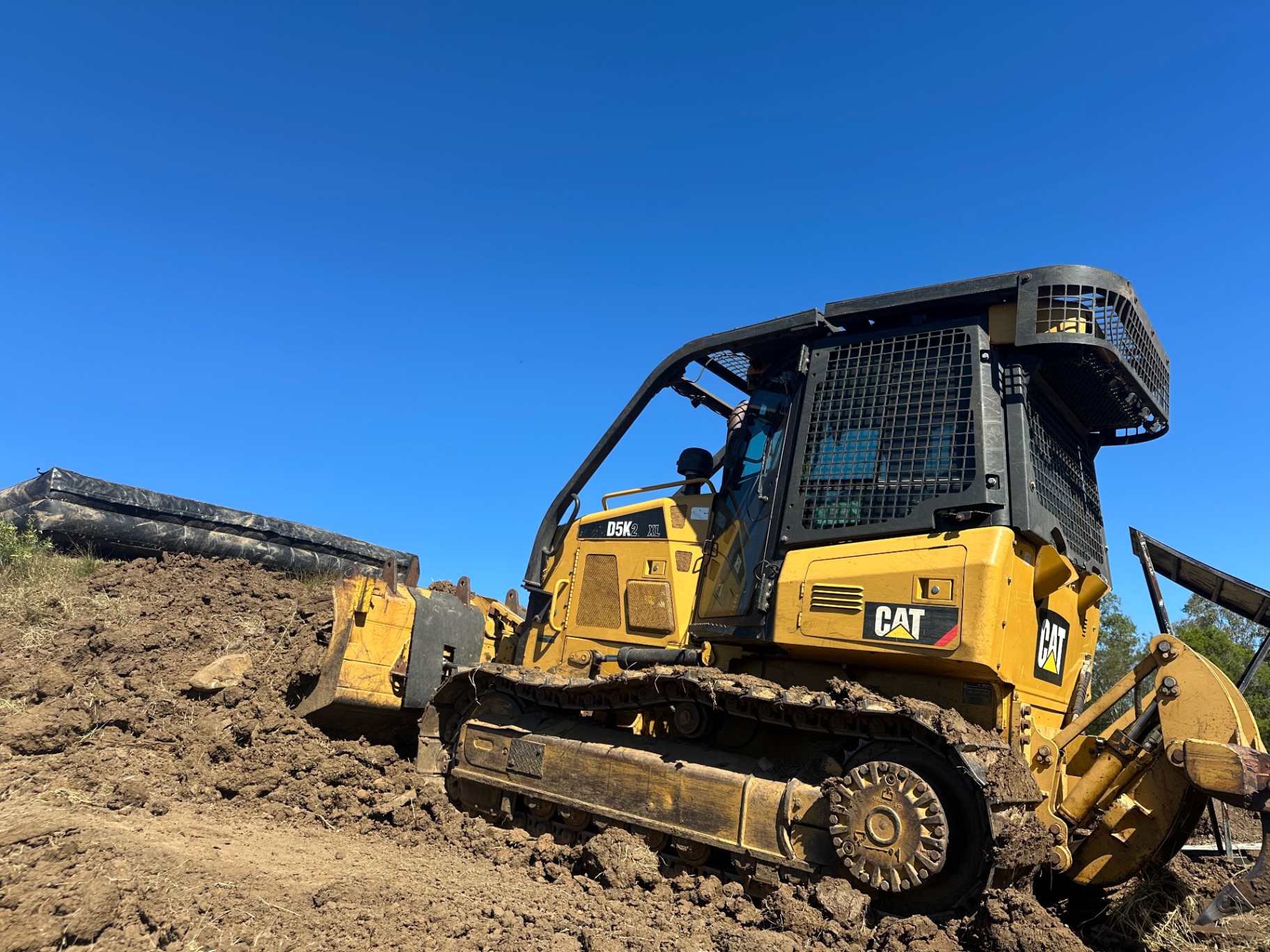
A bike leans. A side-by-side doesn't. That one difference flows through every part of a course, and it's why running four wheels on a bike track usually ends in torn-up corners and a nervous driver.
Width isn't just about fitting
Four wheels need room to be wrong. A car has to be able to run wide, correct, and still be on the course. Corners built for a bike leaning into a berm don't give you that, so the whole corner has to be shaped differently — not just made bigger.
Weight and braking
More mass means longer braking, more load on the surface and far more work going into the ground at the same spots every lap. Braking zones and corner entries wear differently and have to be built to take it.
What we plan around
- Vehicle width and track width, including anything visitors will bring
- Camber that works with four contact points instead of one leaning tyre
- Surface durability in braking and acceleration zones
- Sight lines, because a cage limits what a driver can see
- Whether bikes and vehicles will share the course, and how that's managed
- Room at the edges — recovery space matters more with weight and speed
Shared-use properties
Plenty of properties want both. It can be done well, but it's a design decision made at the start — usually shared sections with different lines through the corners, rather than one course pretending to suit everything.
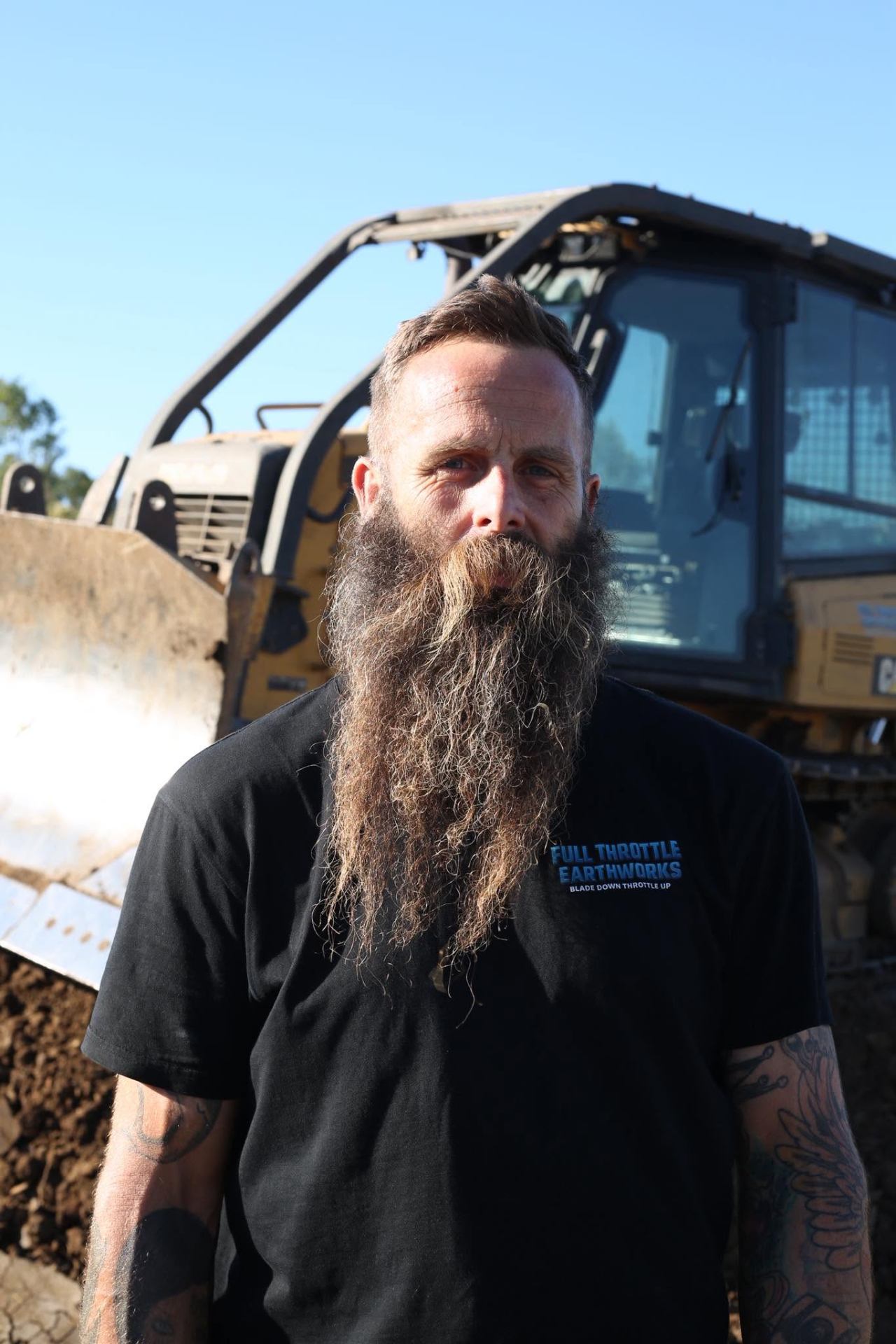
Co-Founder & Lead Operator
Adam Thurrowgood
Adam has spent 25+ years behind the controls and the handlebars. He designs every Full Throttle Earthworks track himself, from the rider's seat as much as the operator's — around the land, the bikes and the people riding them.
No templates and no copy-paste layouts. If a section doesn't feel right on the bike, it doesn't stay in the ground.
He writes about track building, flow, terrain and what actually changes when you ride what you build.