Repairs & redesigns
New Build Or Rebuild: How To Tell What Your Track Needs
Sometimes it's maintenance. Sometimes the layout is the problem.
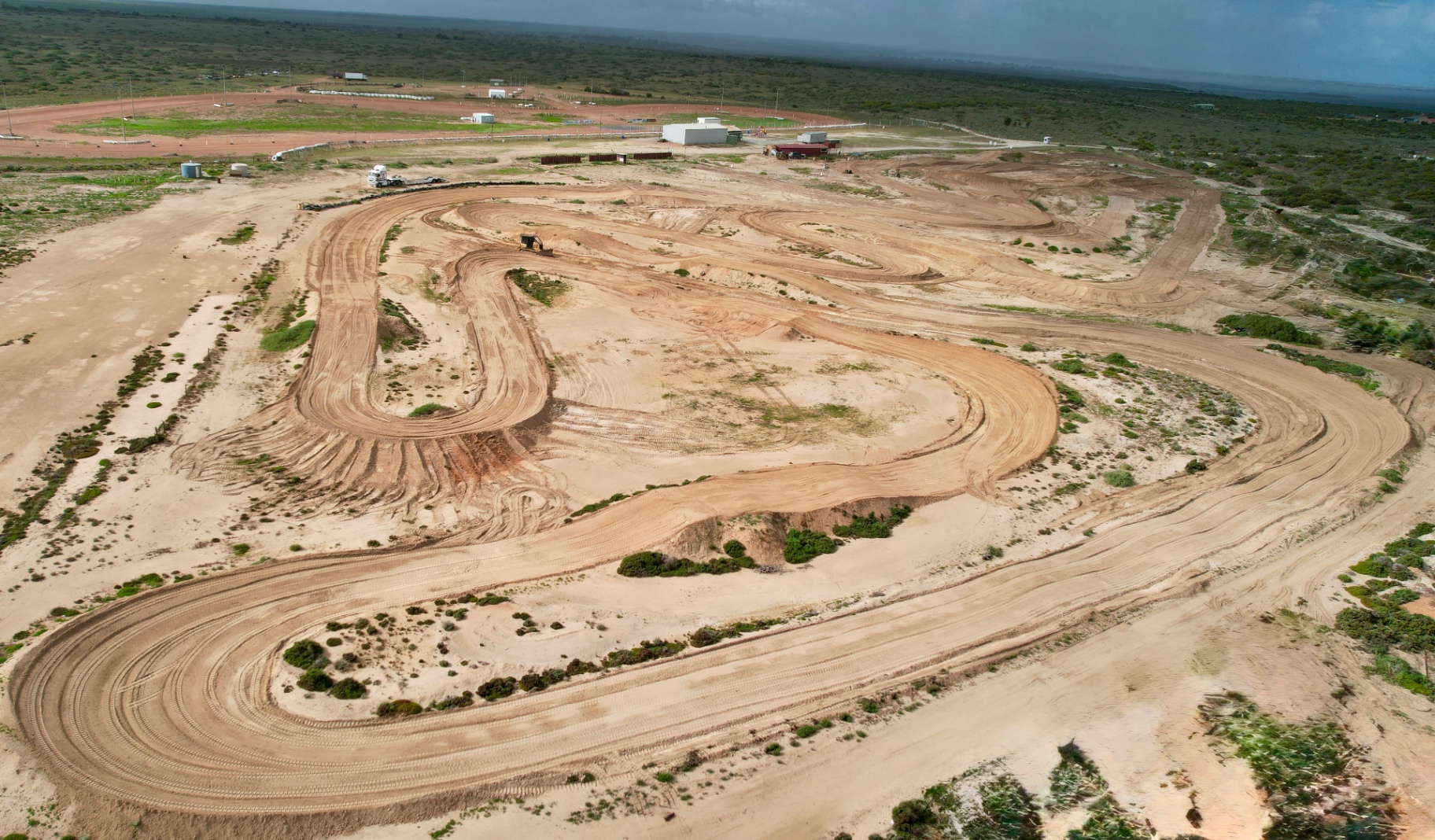
There are three different jobs that all get called "fixing the track": maintenance, a redesign of part of it, and a rebuild. Spending money on the wrong one is how clubs end up doing the same work every season.
Signs it's a surface job
If the layout still rides well and the complaints are about rough, slick or dusty ground, that's usually maintenance and race prep. Ruts in the right places, worn faces, corners that need shaping back — normal wear from use.
Signs it's a layout problem
Layout problems have a signature. Riders roll the same section every lap. Everyone takes the same single line because the alternative doesn't work. One corner causes most of the near-misses. Juniors stop at the same spot.
- A section nobody uses at speed, no matter how it's prepped
- Water sitting in the same place after every rain
- Passing that only ever happens in one corner
- Maintenance hours climbing every season for the same result
- Faster riders bored and slower riders intimidated by the same feature
Signs it's a rebuild
When the base has been patched over so many times that nothing holds, when the circuit was built for a different era of bike, or when drainage was never sorted at the start — reworking the top is money burnt. That's a rebuild conversation.
How we work it out
Adam rides it or walks it, looks at where water goes, and listens to what your regulars complain about. Riders always know where the problems are; they just describe them as feelings rather than faults. That's usable information.
Staging it
Most clubs can't shut down for a full rebuild. Plenty of work gets staged around the calendar — one section at a time, worst-first, with race prep in between. Tell us your dates and we'll work around them.
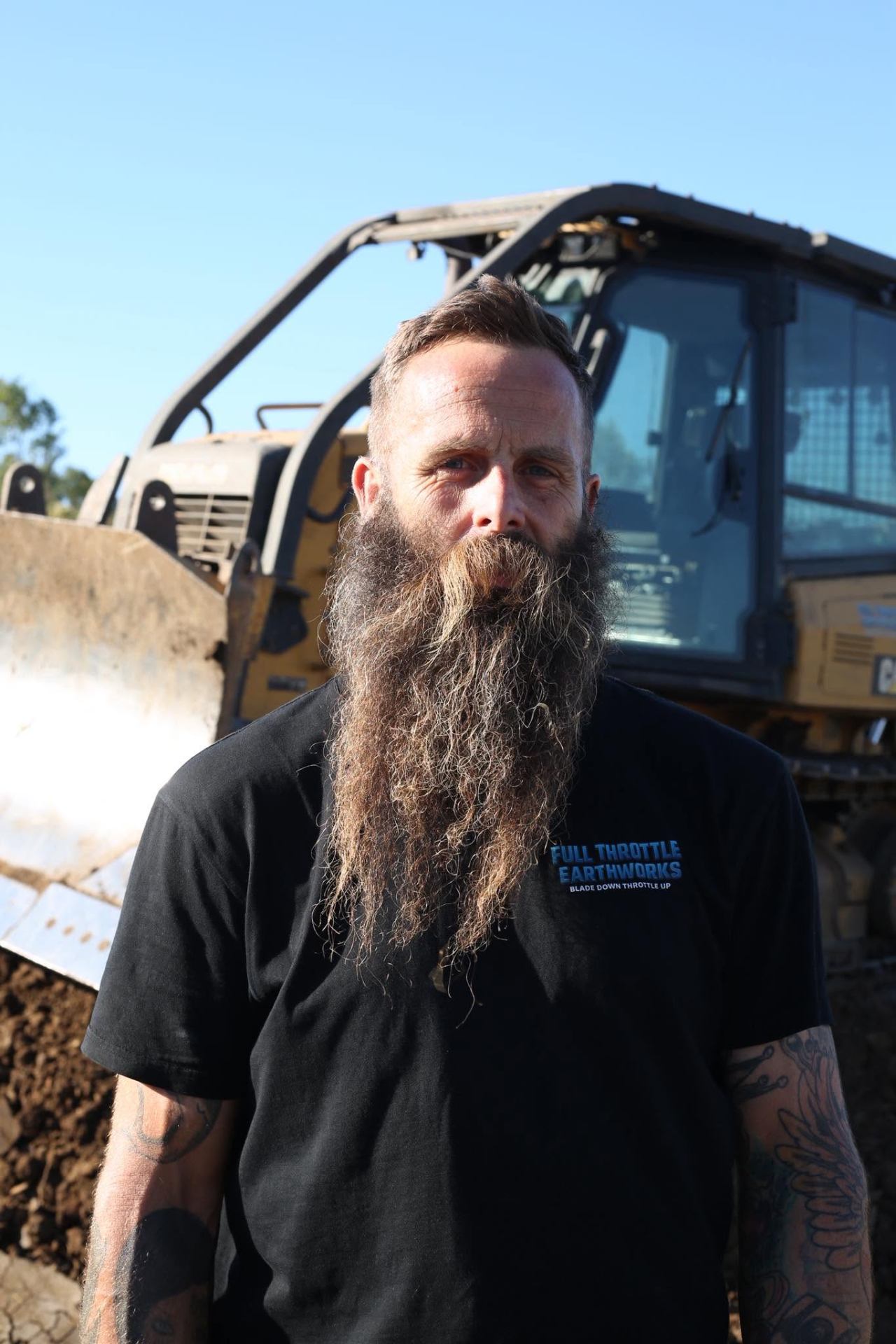
Co-Founder & Lead Operator
Adam Thurrowgood
Adam has spent 25+ years behind the controls and the handlebars. He designs every Full Throttle Earthworks track himself, from the rider's seat as much as the operator's — around the land, the bikes and the people riding them.
No templates and no copy-paste layouts. If a section doesn't feel right on the bike, it doesn't stay in the ground.
He writes about track building, flow, terrain and what actually changes when you ride what you build.