Flat track
Flat Track: Why Surface Consistency Is The Whole Job
Simple shape, hardest dirt to keep right
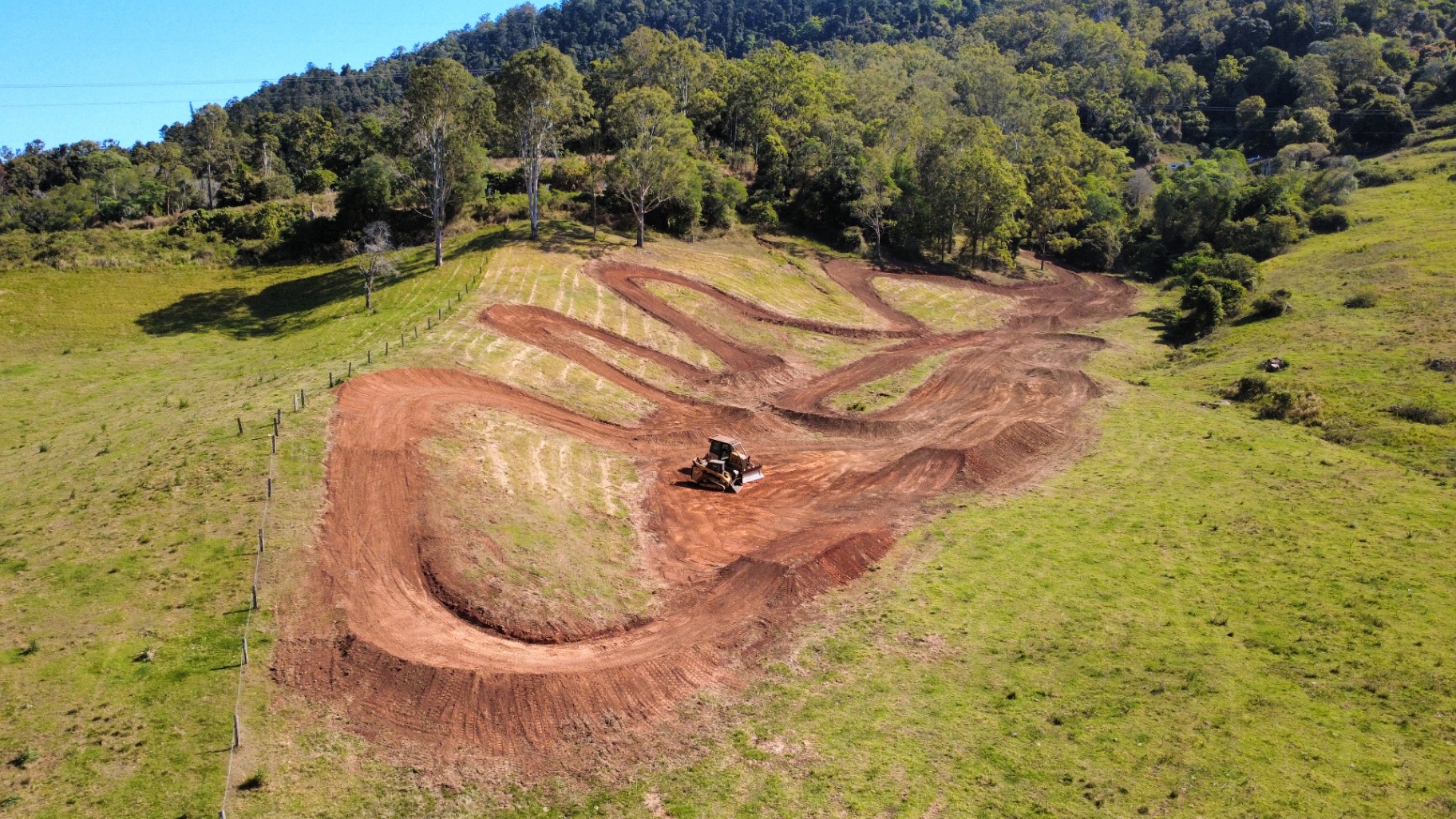
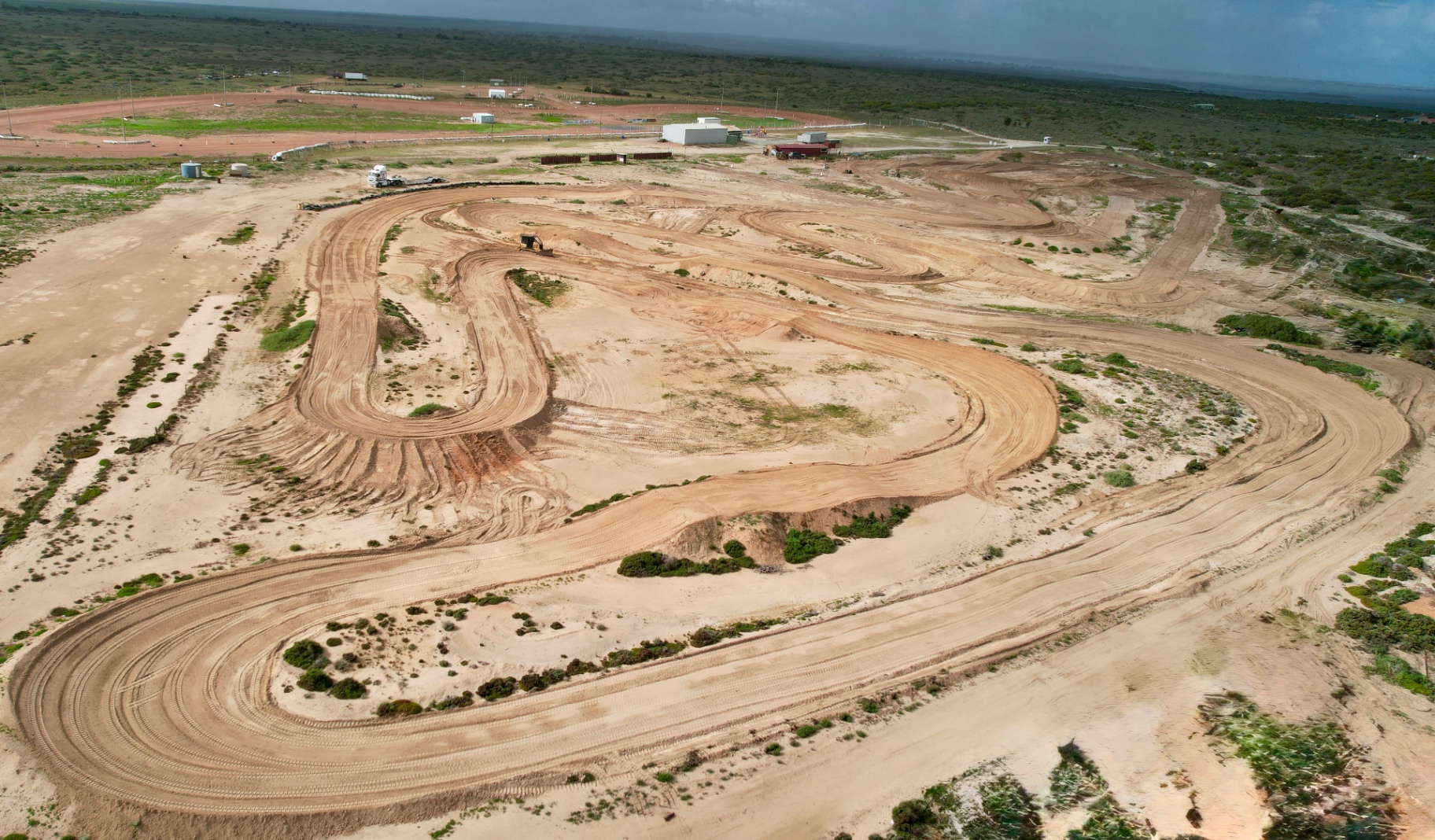
There's nowhere to hide on a flat track. No jumps to distract you, no elevation to carry you. Every lap comes down to whether the surface does the same thing this time as it did last time.
Consistency over grip
Riders adapt to a slick track or a tacky one. What they can't ride around is a surface that changes between corners or hands them a different amount of grip halfway through a slide.
Corners do the work
Camber and radius decide whether the bike hooks up and drives out, or pushes and washes. That has to suit the machines and the riders — a track for club-level riders isn't shaped identically to one built for experienced racers.
Maintenance is part of the build
- Moisture management — how the surface is watered and how quickly it dries
- Base condition under the racing surface, not just the top
- Where material migrates to and how it gets brought back
- Realistic gear and time your crew has between sessions
We'd rather build a flat track your people can actually maintain than one that's perfect on opening day and unusable by winter.
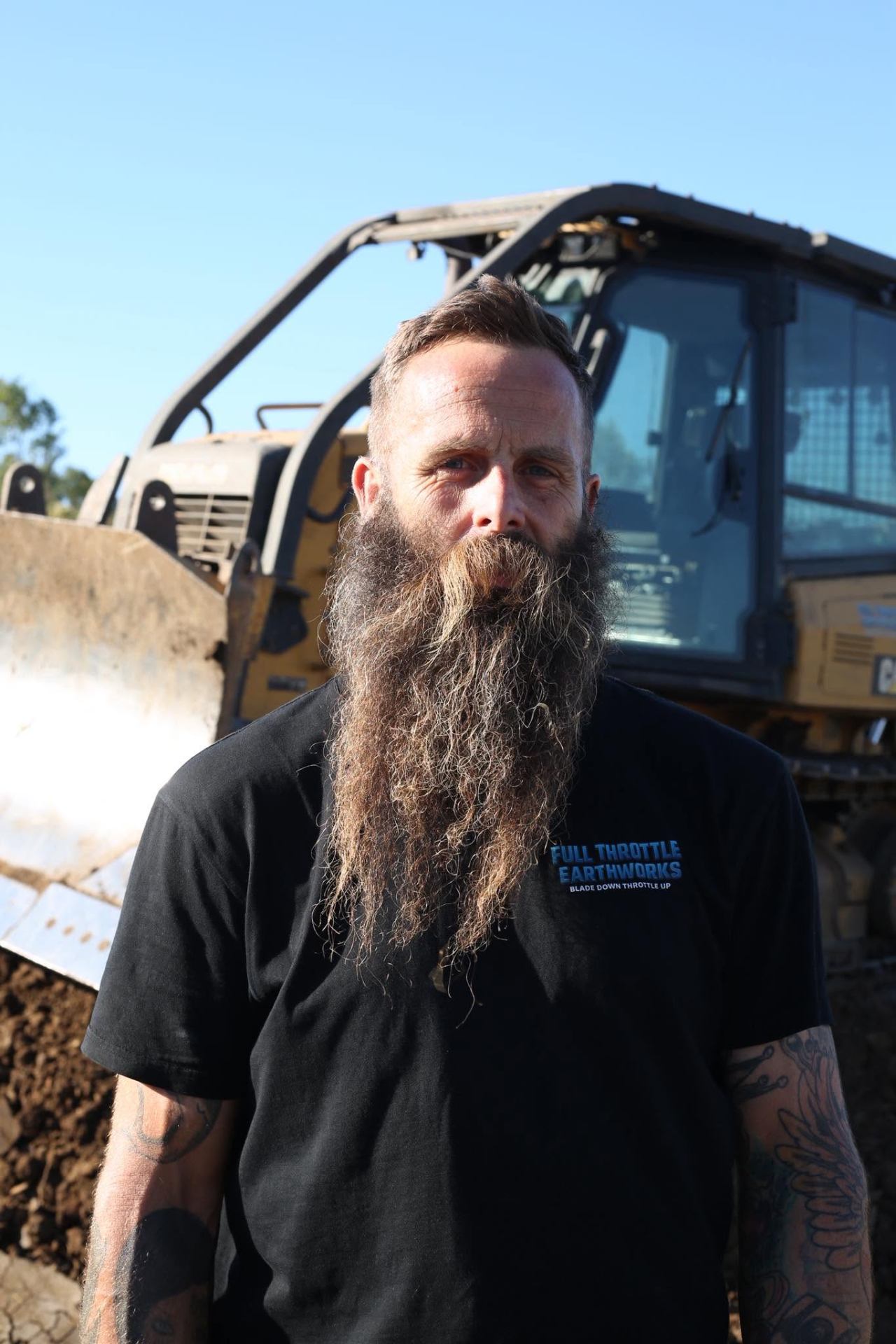
Co-Founder & Lead Operator
Adam Thurrowgood
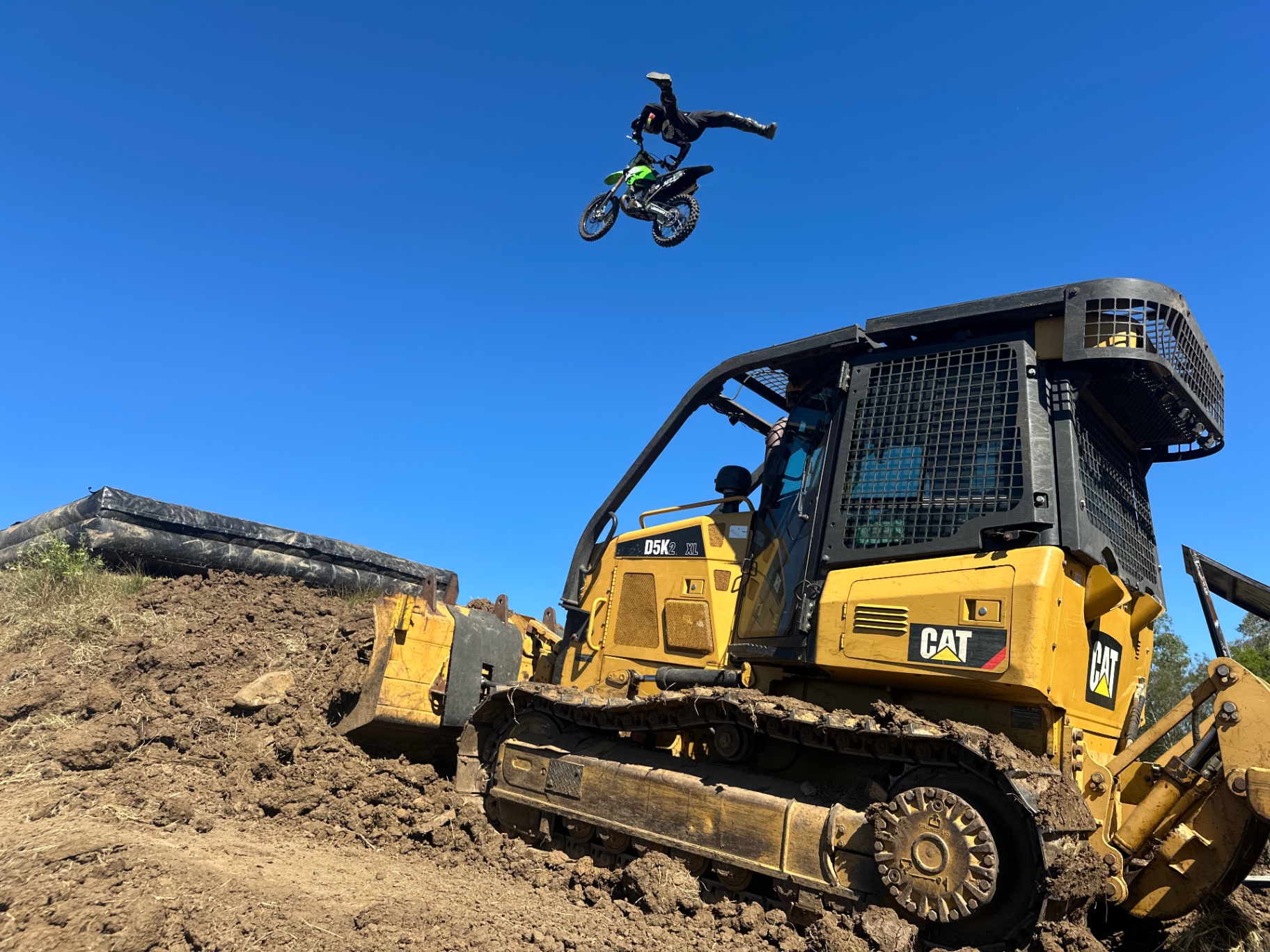
Adam has spent 25+ years behind the controls and the handlebars. He designs every Full Throttle Earthworks track himself, from the rider's seat as much as the operator's — around the land, the bikes and the people riding them.
No templates and no copy-paste layouts. If a section doesn't feel right on the bike, it doesn't stay in the ground.
He writes about track building, flow, terrain and what actually changes when you ride what you build.